AGP Executive Report
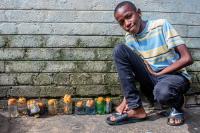
Last update: 10 hours agoRail Technology: Japan’s US$6.3 million grant will provide Zambia Railways with crane-equipped maintenance vehicles to improve track upkeep, safety and service reliability. Food Technology: In Kitwe, 13-year-old David is using hydroponics to grow vegetables at home. The water- and space-saving method could help support school gardens and meals as climate pressures threaten harvests. AI in Education: A five-country study that included Zambia finds universities face gaps in AI access, staff training and institutional readiness, warning that adoption without wider changes could deepen inequalities. Cybersecurity: Zambia was among 20 African countries involved in an INTERPOL cybercrime operation that led to 1,462 arrests and more than US$105 million recovered. School Connectivity: Paratus says Starlink has connected 18 Lusaka schools, reaching 10,000 children.
Note: AI summary from news headlines; neutral sources weighted more to help reduce bias in the result. Feedback is welcome. Please let us know if you have any comments or suggestions about the AGP Executive Report.

 Perspectify News